
If your WordPress site is not ranking, it is not generating revenue.
Traffic without strategy is noise.
Speed without structure is wasted potential.
This guide shows you how to fix both — and how I help businesses turn WordPress into a high-performing asset at Dinamic Tech Wave.
Why WordPress Website SEO Matters More Than Ever
Search engines prioritize performance, structure, and relevance.
A slow, poorly optimized website will struggle — no matter how good your design looks.
WordPress is powerful.
But without proper SEO setup, it becomes average.
Strong WordPress website SEO means:
- Higher Google visibility
- Lower bounce rates
- Better conversion rates
- Higher trust signals
- Long-term organic traffic
SEO is not about adding plugins randomly.
It is about building a technically solid, fast, and strategically structured website.
At Dinamic Tech Wave, I combine technical optimization with conversion strategy — because ranking without revenue is pointless.
Add visuals here:
- Before vs after speed comparison
- Ranking improvement chart
- Core Web Vitals screenshot
Search Rankings Drive Revenue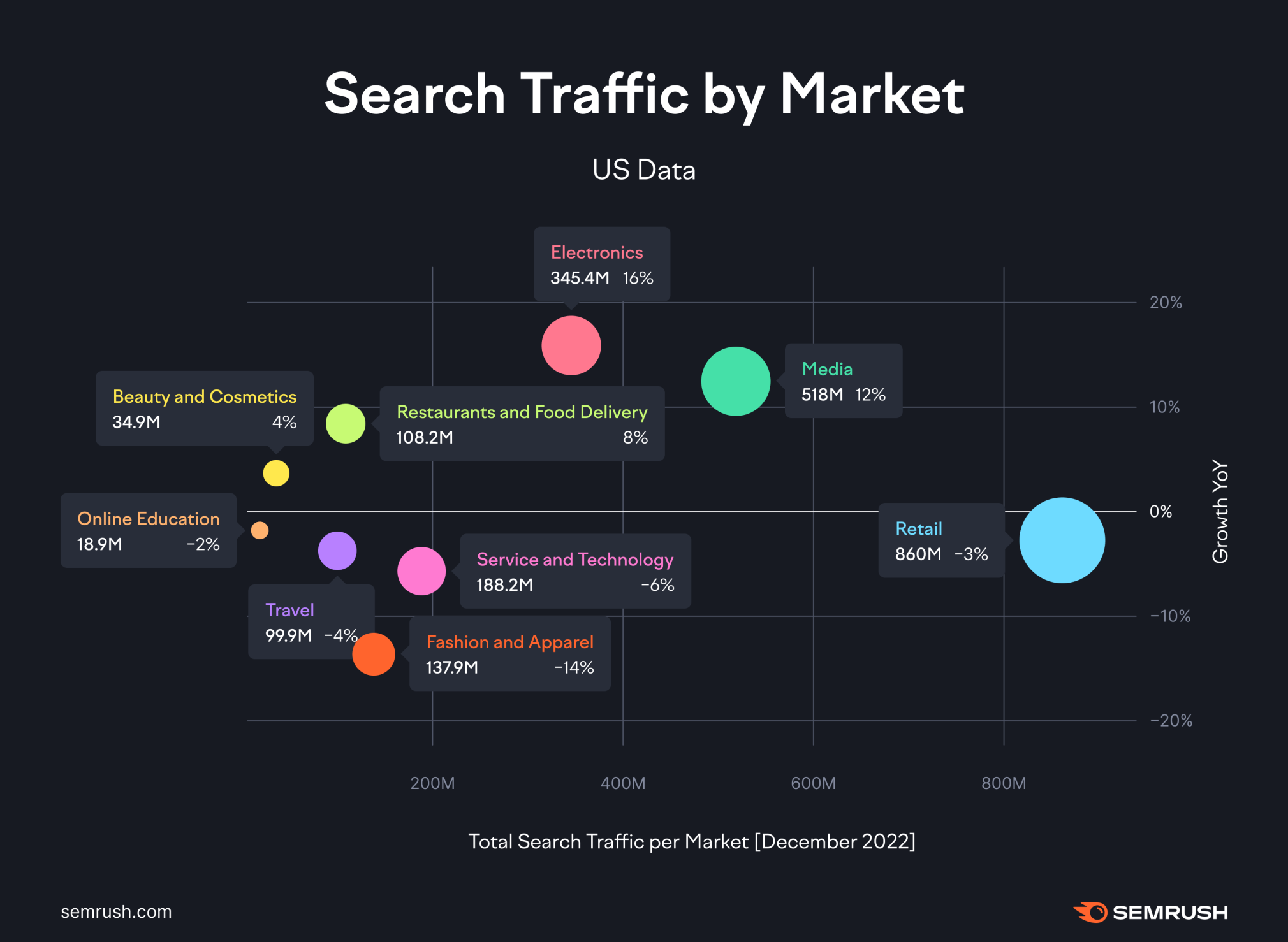
Google traffic converts better than most paid channels.
Why?
Because users are actively searching for solutions.
When your WordPress website ranks for transactional keywords:
- Leads increase
- Sales grow
- Ad spend decreases
Organic search compounds over time.
Paid ads stop when you stop paying.
If your competitors dominate page one, they are capturing your customers daily.
WordPress SEO ensures you compete strategically — not emotionally.
Core Web Vitals and Performance Signals
Google measures user experience.
Metrics include:
- Largest Contentful Paint (LCP)
- First Input Delay (FID)
- Cumulative Layout Shift (CLS)
If your site loads slowly or shifts during load, rankings suffer.
Performance is no longer optional.
It is a ranking requirement.
Tools like Google PageSpeed Insights and Google Search Console reveal where your site stands.
Technical Foundations of High-Ranking WordPress Sites
Without strong technical structure, content struggles to rank.
Core foundations include:
- Clean URL structure
- Logical hierarchy
- XML sitemap
- Robots.txt configuration
- Schema markup
- Proper indexing control
Many WordPress sites fail because themes are bloated and developers ignore technical SEO.
I begin every project with a full SEO audit.
No guesswork.
Only measurable improvements.
Clean Site Structure and Internal Linking
Your site should guide users and search engines clearly.
Best practices:
- One H1 per page
- Logical H2/H3 structure
- Contextual internal links
- Descriptive anchor text
Internal linking distributes authority across pages.
It also increases time on site and improves crawl efficiency.
Structure determines discoverability.
Mobile Optimization and Accessibility
Over 60% of traffic is mobile.
Your WordPress site must:
- Load fast on mobile
- Use responsive design
- Maintain readable typography
- Support accessibility standards
Accessibility improves usability and SEO.
- Add alt text to images.
- Use semantic HTML.
- Ensure contrast compliance.
These improvements increase both rankings and user trust.
Speed Optimization: The Ranking Factor You Can’t Ignore
Speed affects everything:
- SEO
- User experience
- Conversions
- Ad performance
A one-second delay can reduce conversions significantly.
Most WordPress sites are slow because of:
- Heavy themes
- Uncompressed images
- No caching
- Poor hosting
- Excess plugins
This is where proper tools matter.
Using WP Rocket for Advanced Caching
WP Rocket is one of the most reliable performance plugins available.
It provides:
- Page caching
- GZIP compression
- Browser caching
- Database cleanup
- Lazy loading
- File minification
Configured properly, it can reduce load time dramatically.
But installation alone is not enough.
Correct configuration is critical.
I optimize WP Rocket based on hosting environment, theme, and site structure.
Using Accelerator to Improve Performance
Accelerator improves speed through:
- Asset optimization
- Code refinement
- Resource prioritization
Combined with caching tools, it boosts Core Web Vitals.
Performance tools must work together — not conflict.
I test changes using staging environments to ensure stability.
On-Page SEO Strategy for WordPress
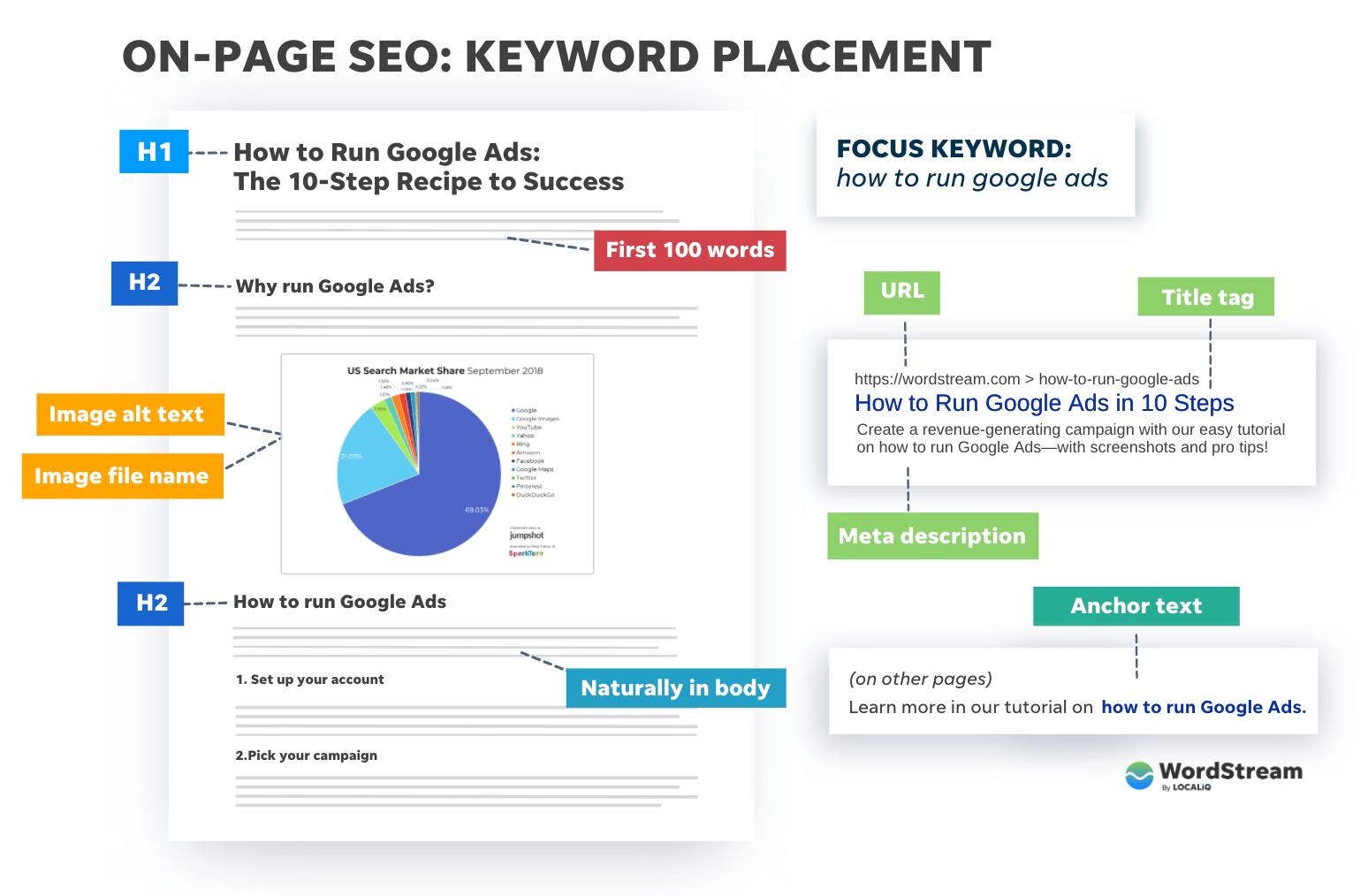
On-page SEO determines relevance.
Every page must target a specific search intent.
Key components:
- Primary keyword placement
- Optimized headings
- Structured content
- Engaging meta descriptions
- Internal links
Content must be helpful and direct.
Search engines reward clarity.
Keyword Placement and Content Structure
Best practices:
- Include primary keyword in title
- Use keyword naturally in first 100 words
- Add related keywords in subheadings
- Avoid overstuffing
Structure content for readability:
- Short paragraphs
- Bullet points
- Clear hierarchy
User engagement improves rankings.
Metadata, Schema, and Image Optimization
Optimize:
- Title tags (under 70 characters)
- Meta descriptions (under 160 characters)
- Alt text for images
- Schema markup for rich snippets
Schema improves visibility in search results.
Images should be compressed and properly sized.
Technical detail creates competitive advantage.
Why Hiring a WordPress SEO Specialist Changes the Game
DIY SEO leads to mistakes.
Common issues:
- Plugin overload
- Broken internal links
- Duplicate content
- Poor caching setup
- Ignored technical errors
SEO requires strategy, not experimentation.
At Dinamic Tech Wave, I focus on:
- Full SEO audits
- Speed optimization
- Technical cleanup
- Conversion optimization
- Ongoing monitoring
Your website becomes a growth system.
Common Mistakes Business Owners Make
They focus on design first.
They ignore speed.
They install too many plugins.
They skip analytics setup.
These mistakes limit growth.
The Dinamic Tech Wave SEO Solution
My approach includes:
- Technical audit
- Speed optimization
- Content structure refinement
- Tool configuration
- Ongoing performance tracking
Results are measured, not assumed.
Tools I Recommend for Sustainable SEO Growth

Use tools strategically.
Performance Tools
- WP Rocket
- Accelerator
- Google PageSpeed Insights
- GTmetrix
SEO & Analytics Tools
- Google Search Console
- Google Analytics
- Rank Math
- Ahrefs
These tools provide actionable data.
Final Thoughts: Turn Your Website into a Revenue Engine
A WordPress website should:
- Rank
- Load fast
- Convert visitors
- Scale with growth
If your site is underperforming, it is costing you money daily.
You can continue adjusting settings blindly.
Or you can implement a structured, performance-driven SEO system.
If you are ready to turn your WordPress website into a serious growth asset, explore solutions at:
Home
Your rankings are not random.
They are engineered.